
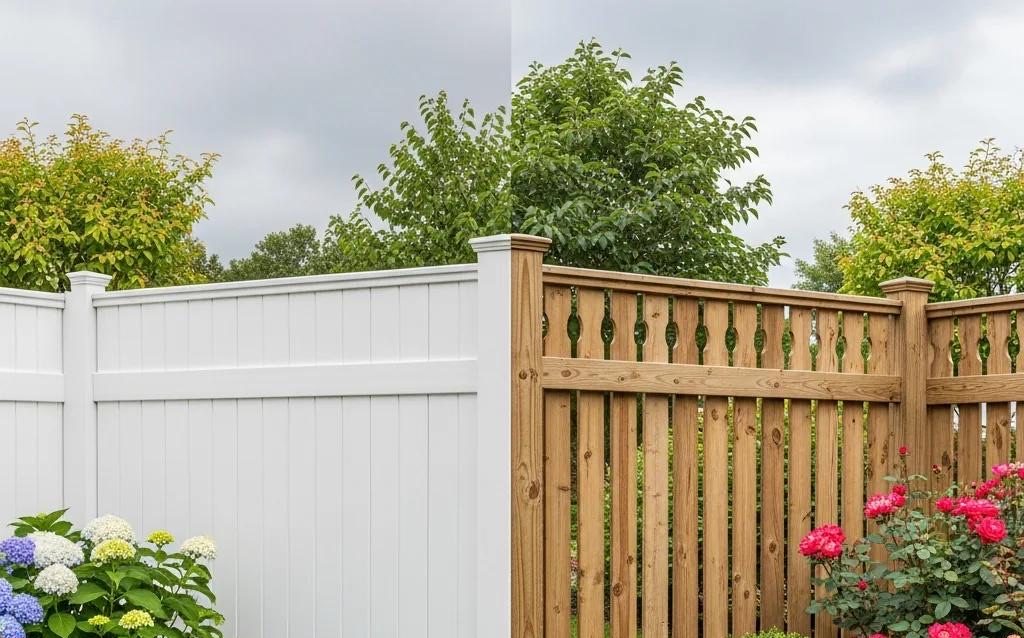
If you’re deciding between PVC and wood fencing, you’re probably wondering about maintenance, appearance, and how long your fence will last. Both materials have unique characteristics, especially over time, so understanding what to expect can help you pick the right fence for your home or business.
Is PVC Fencing Better Than Wood for Long-Term Use?
PVC fencing is made from synthetic materials, while wood fencing comes from natural timber. Here’s how these materials perform over time, affecting appearance, upkeep, and durability. In most installations, post depth and drainage will have more impact on lifespan than the material itself.
Pros and Cons of PVC vs Wood Fencing
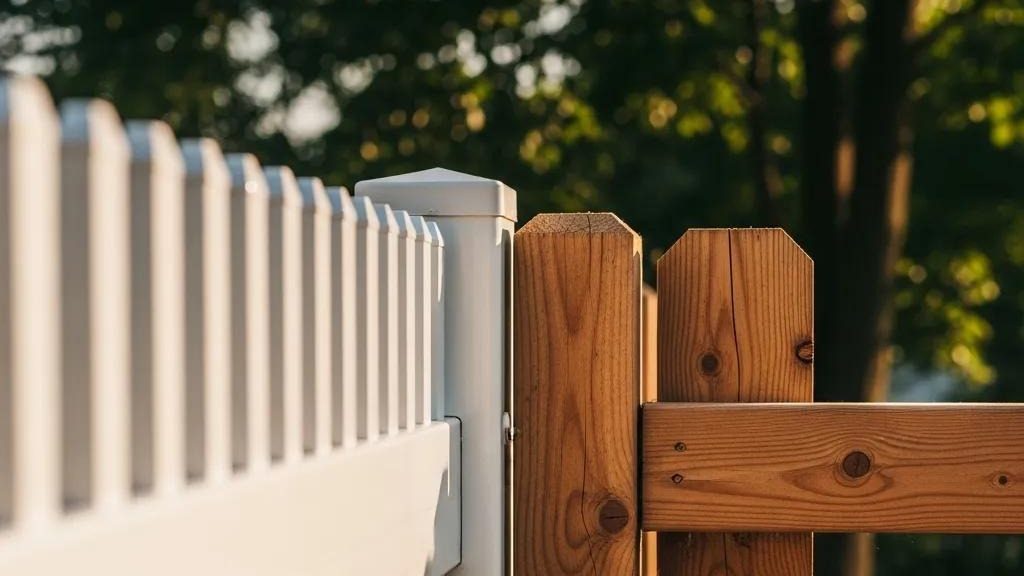
Both materials have clear advantages depending on what matters most to you.
- Durability: PVC stands up well to weather, pests, and rot, so it tends to last longer with less fuss. Wood can look great, but may start to warp, crack, or rot if you don’t keep up with maintenance.
- Appearance: Wood offers a warm, natural look that many homeowners love. You can stain or paint it to match your style. PVC comes in many styles and colors, but doesn’t have the same natural texture as wood.
- Maintenance: PVC is low-maintenance; you usually just need to wash it occasionally. Wood needs regular sealing, staining, or painting every 2–3 years to keep it looking good and prevent damage.
Which Fence Material Requires More Maintenance?
Wood fences demand more attention. Without yearly cleaning and sealing, wood can absorb moisture, leading to rot and insect problems. PVC fences don’t absorb water and don’t need painting, but they can crack if hit hard or expand and contract with temperature changes.
What Problems Can Happen With Each Fence Type?
Wood fences can warp, lean, or develop cracks over time, especially in wet or humid climates. You might notice boards bowing or nails loosening. PVC fences are more resistant to these issues but can expand or contract with heat, which might cause panels to shift slightly. It’s normal for PVC panels to expand slightly in heat and contract in cold, and this is built into the system. Also, strong impacts can crack PVC, so it’s not indestructible. Most fence issues, leaning posts, loose panels, and early wear, come down to installation quality and drainage, not just the material.
How Long Do Wood and PVC Fences Actually Last?
With proper care, wood fences usually last about 10–15 years. You’ll need to repaint or reseal every few years to keep them in good shape. PVC fences can last 25–30 years or more with minimal maintenance, making them a good choice if you want a longer-lasting option.
What Are the Cost Differences Between PVC and Wood Fencing?
Here’s a quick look at costs to help you budget. Labor, layout, and soil conditions can shift these ranges significantly:
| Material | Initial Cost | Long-term Cost |
| PVC Fencing | $25-$40 per linear foot | Lower maintenance costs over time |
| Wood Fencing | $15-$30 per linear foot | Higher maintenance costs due to upkeep |
Wood fences usually cost less upfront but require more work and money over time for repairs and upkeep. PVC fences cost more to install but save you money on maintenance and repairs in the long run.
Installation Realities You Should Know
Installing wood and PVC fences isn’t exactly the same. Wood posts need to be set deep enough to avoid shifting or leaning, especially in soft soil. Wood can also warp or twist over time if not properly installed or maintained. PVC posts are lighter and easier to handle, but can expand and contract with temperature changes, so installers leave small gaps to allow for movement. Wood is generally more rigid, while PVC panels can flex under strong wind if not properly supported. Labor costs can vary because wood installation often takes longer due to cutting, staining, and fitting irregular boards, while PVC panels are usually quicker to assemble. Most residential fence installations take 1–3 days, depending on layout and conditions.
Choose PVC if: You want minimal upkeep and a consistent appearance over time.
Choose Wood if: Appearance matters more than maintenance, and you’re willing to keep up with it.
The Right Choice Depends on You
Ultimately, the best fence for your property depends on how much maintenance you’re willing to handle and how long you want your fence to last. If you want a low-maintenance, durable option, PVC is a smart pick. If you prefer a traditional, natural look and enjoy the upkeep, wood might be the way to go. Either way, understanding the trade-offs will help you make a confident decision.
Get Expert Help Choosing the Right Fence for Your Property
Choosing between PVC and wood fencing comes down to how you want your fence to perform over time. My Fence provides professional fence installation in Lakeland, Florida, helping homeowners select the right material based on their property conditions, maintenance preferences, and long-term goals.
Request an estimate to review your options and work with experienced fence contractors who focus on proper installation, durability, and lasting results.